
Imagine fast-tracking your journey to financial independence by taking control of everyday expenses. Many aspire to freedom, but fewer realize how much shaving costs can change the game. It’s not just about penny-pinching; it’s about gaining real choices for your future.
People often overlook small spending habits, missing the big picture. Tiny leaks in your budget—unnoticed subscriptions or daily takeout—can delay independence by months or even years. Recognizing and adjusting your routine spending can create real momentum toward your goals.
If you’re curious about ways to simplify expenses without feeling deprived, you’re in the right place. This guide dives into smart, realistic methods to cut costs and build a more independent, fulfilling life. Let’s start transforming those habits now.
Identifying Expense Traps and Hidden Costs
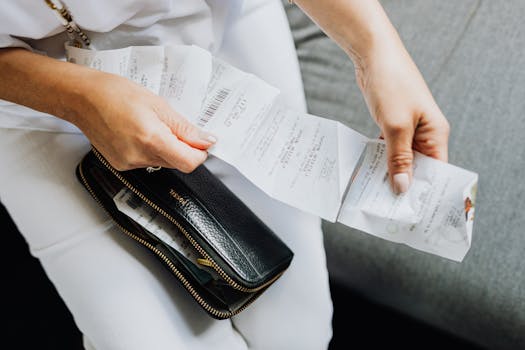
Before you can cut costs, it helps to know where the money goes. Track your daily spending, review bank statements, and highlight recurring payments that often slide under the radar—these add up faster than you think.
Think of your budget like a bucket with small holes. Even tiny leaks—such as unused gym memberships or forgotten digital apps—can empty your finances over time. Patching these leaks keeps more water (and money) where you want it.
- Review every bank statement monthly and mark unfamiliar charges or forgotten services.
- Scrutinize utility bills and subscriptions for unnecessary features you don’t use regularly.
- Set smartphone reminders for regular audits of recurring payments or annual renewals.
- Compare spending on non-essentials, like streaming or coffee, over several months to spot trends.
- Talk with family about recurring household expenses and share monitoring responsibilities.
- Search for duplicate services, like insurance or streaming platforms, and consolidate them to cut costs.
Regular vigilance brings awareness to your personal spending patterns. By catching expenses early and keeping tabs on every transaction, you can redirect resources toward priorities that actually serve your journey to independence.
Switching Lanes: Priorities, Trade-offs, and Smart Choices
Consider Rachel, who used to eat out daily after work. She switched to preparing meals on weekends, saving hundreds each month and reducing stress over last-minute dinner runs. Her savings now bolster an emergency fund.
Miguel realized his premium TV plan included channels he never watched. He trimmed it down, investing the difference into learning digital skills instead. Not only did his budget improve, but his career options broadened, too.
Many families feel pressure to keep up with neighborhood norms, like expensive cars or designer clothing. But when Jerry crunched numbers and opted for a well-maintained used vehicle, he found the trade-off barely affected his lifestyle—except for the growing stability he gained.
Choosing where to save is a personal journey. As you compare comfort with progress, weigh every dollar against what brings you closer to independence. Prioritizing long-term results over temporary pleasure can make every decision count more in the end.
Everyday Savings That Add Up Over Time
It’s easy to underestimate the power of small savings. Daily habits, minor tweaks, and conscious decisions can lead to impressive results over months and years—especially when every dollar saved is invested in your independence fund.
- Pack home-cooked lunches instead of buying meals—saving up to $10 per day, or $2,600 a year. Compared to trendy dining, home-cooked meals provide more control over ingredients and long-term savings.
- Shared rides or public transport versus solo commutes—potentially cutting your transport bill in half or more, while reducing car wear and insurance premiums.
- Switch from cable TV to streaming basics. A single switch can save $50/month or $600/year, freeing funds for travel or investments instead of entertainment you barely watch.
- Negotiate rates for utilities or internet annually. A quick phone call could drop costs by 10% or more—much more rewarding than accepting automatic price hikes.
- Buy seasonal clothes on clearance at the end of each period. It’s a low-effort move that stretches wardrobes for less, especially compared to buying full price upfront.
- Automate savings deposits from each paycheck—so your money grows undisturbed and temptation is out of mind.
- Cancel one unused subscription each quarter. Keeping a lean list ensures your spending always serves a real purpose, not just impulse or habit.
These everyday actions prove that independence comes from dozens of small, repeatable steps. The habit of redirecting pocket change to investments builds a snowball that grows much larger than you’d expect.
Comparing Spending Habits: Short-Term Thrills vs. Long-Term Gains
Imagine two friends: one saves aggressively, the other spends for daily enjoyment. Short-term, the spender feels rewarded. Over years, the saver accumulates options, flexibility, and peace of mind.
In another scenario, Dana consistently resists sales and impulse buys. Her friend Pat shops to relieve stress, filling closets with unneeded items. Years later, Dana’s savings open doors for travel and sabbatical breaks—Pat feels chained to her job.
| Habit | Immediate Result | 5-Year Outcome |
|---|---|---|
| Impulse Buying | Temporary Happiness | Reduced Savings, More Clutter |
| Delayed Gratification | Minor Discomfort | Stable Finances, Greater Options |
| Budget Tracking | Awareness of Spending | Higher Net Worth, Stronger Habits |
The table above highlights how consistent, conscious spending leads to powerful long-term advantages. When viewed over years instead of days, even mundane choices can define your level of independence and opportunity.
Building Efficient Routines for Budget Control
Think of your monthly budget as a workout plan. Repetition builds strength—and in spending, it creates routine savings. Many people wait for a windfall to get started; it’s better to refine daily habits instead.
One analogy is setting up automatic bill pay. Like watering your plants on a timer, you avoid missed fees and late charges by not leaving essentials to chance. Automation is your ally in expense control.
Or, contrast a household that shops with a digital list versus one that grabs groceries on a whim. The list shopper plans meals, avoids overruns, and stays within limits. The impulse shopper racks up higher bills—and more food waste.
By tracking spending, reviewing receipts, and giving every dollar a purpose, you’ll soon notice fewer regrets and more satisfaction. Just like streamlining a cluttered desk improves productivity, a streamlined budget brings tangible peace of mind.
Resourceful Hacks That Actually Work
- Batch-cook meals to save money and avoid expensive takeout temptations throughout the week.
- Use price-comparison apps or browser extensions before every major online purchase, ensuring you get the best deal possible.
- Set spending limits for each category in your monthly budget and compete with yourself to beat the targets.
- Swap or borrow infrequently used tools and appliances with neighbors or friends instead of buying new every time.
- Plan at-home social gatherings instead of dining out, creating memorable moments without restaurant mark-ups.
- Refinance high-interest loans or credit cards—even a small rate drop can yield hundreds in savings per year.
- Declutter and sell items you no longer need, funneling the proceeds straight into your independence fund.
Experimenting with these hacks can make saving feel rewarding. By approaching saving as a game or creative challenge, you inject fun and motivation into habits that might otherwise feel restrictive.
Plus, sharing these ideas within your household or community fosters teamwork and accountability. You can even turn it into a family competition, watching independence funds grow together and celebrating each little victory along the way.
Seeing the Big Picture: Projecting the Impact of Expense Reduction
If you cut $200 per month in expenses, where are you in five years versus someone who doesn’t? Picture those savings invested, compounding steadily, turning months into years saved toward independence.
Now imagine two scenarios: one stays on autopilot, ignoring rising costs and never adjusting habits. The other reviews expenses quarterly, always on the lookout for new savings. After a decade, their net worth and independence timelines differ dramatically.
Think about opportunity costs. If you maintain high expenses for today’s comfort, you might delay quitting a stressful job or launching a venture. But if you commit to trimming unnecessary spending, you exchange fleeting pleasure for lasting possibility.
Conclusion: Living Lighter, Moving Faster Toward Independence
Cutting expenses isn’t about sacrifice—it’s a route to more freedom, choices, and peace of mind. By reviewing habits and focusing on long-term benefits, you gradually transform the way you relate to money.
The strategies above aren’t about deprivation. They’re about reclaiming agency over your life, redirecting resources from mindless consumption to meaningful opportunities. Whenever you make a budget-friendly choice, you step closer to independence.
Remember, consistency matters more than perfection. Even small changes, repeated over time, compound into life-altering results. By keeping your eye on the goal, you turn expense reduction into a powerful, motivating habit.
Your journey to independence might not always be smooth, but each balanced choice builds confidence and resilience. The real reward is the freedom to write your own story without being held back by unnecessary costs or debt.
Start today—track your spending, eliminate one hidden expense, and envision where those savings will take you. Every step brings you closer to living lighter and moving faster on the path to true independence.
