
How to Build an Emergency Fund from Scratch: A Practical Guide for Beginners
Does your stomach sink at the thought of surprise expenses? It’s a feeling many people know—one unexpected bill can make an ordinary week stressful. That’s why prepping for financial emergencies makes so much sense.
Life throws curveballs we can’t always see coming. Car repairs, medical surprises, or even a sudden job loss may arrive when we least expect it, putting savings to the test. Having a plan cushions the blow.
This guide takes you step by step through building an emergency fund from zero, sharing ideas and real-life examples to make saving seem approachable rather than overwhelming.
Setting the Stage: Understanding Your Emergency Fund Goals
Before you stash away a single dollar, decide what you’re saving for and why. An emergency fund is meant to protect you from life’s unexpected costs, so clarity helps you stay motivated.
Saving for emergencies is like carrying an umbrella: most days you won’t need it, but when a storm hits, you’re grateful it’s there. Set meaningful targets upfront, so your efforts feel worthwhile even when progress is slow.
- Define “emergency” situations: job loss, health crises, urgent car repairs, or family emergency travel.
- Estimate ideal fund size: Experts often recommend saving three to six months of living expenses as a target.
- Factor your personal risks: If you freelance, have dependents, or work in a volatile industry, you may want a larger fund.
- Remember lifestyle differences: If you’re single, your emergency needs may differ from those of a large family.
- Account for local costs: Rent, utilities, and healthcare costs vary by region, influencing how much you need.
- Expect priorities to change: Life stages and financial responsibilities evolve, so review your target over time.
Solid goals make every dollar you set aside feel purposeful, giving your emergency fund a roadmap and reducing guesswork about what’s “enough.”
Getting Started with Small Consistent Steps
Starting with nothing in savings can feel daunting, but like planting a tiny seed, small contributions add up. Take Amanda: she put aside just $10 a week. Within four months, her fund cushioned a dental bill she never saw coming.
Ryan’s story shows that frequency matters more than size. Although he only saved spare change from his purchases, automating tiny deposits helped him rack up $500 in a year—just in time for a job change.
Lisa, a recent college graduate, used her side gig to contribute sporadically. Even with unpredictable amounts, her fund grew steadily, covering an out-of-state family emergency when flights were expensive.
It’s the habit that builds momentum. The sooner you make saving automatic, the more confident you’ll feel as your fund grows.
Choosing Where to Park Your Emergency Savings
You’ve decided to start saving, but where should your money go? Accessibility, safety, and growth all play a role in your choice. Each option comes with its own strengths and drawbacks.
- High-yield savings accounts: These often pay higher interest rates, keeping your emergency fund growing yet still available.
- Traditional savings accounts: Convenient, but interest may be lower than other options; still, funds are easily accessible in a pinch.
- Money market accounts: Offer higher interest than standard savings (sometimes), with check-writing privileges. They may require minimum balances.
- Certificates of deposit (CDs): Lock in higher rates but limit immediate access, so only consider with excess emergency cash.
- Prepaid debit cards: An option for those avoiding traditional banks, but beware of fees and limited growth potential.
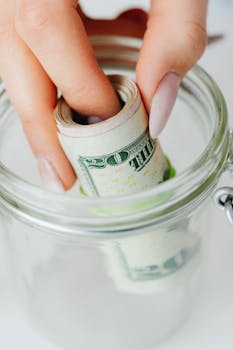
- Envelope or cash jars: Physical cash keeps things tangible but can be risky and doesn’t earn interest.
- Joint or family accounts: Useful for sharing emergency funds across a household but requires clear communication on usage.
Your choice should balance earning a bit of interest with keeping your money immediately available for real emergencies.
Evaluating Saving Strategies for Different Lifestyles
Every budget looks different, so your strategy should mesh with your lifestyle. Imagine two friends: one with a steady job and structured 9-5 routine, the other freelancing with fluctuating income. Their approaches to saving will naturally differ.
For those with dependable paychecks, setting up automatic transfers each payday is often effortless—almost invisible. But gig workers and commission-based earners might prioritize saving windfalls when work is abundant, rather than fixed monthly amounts.
| Approach | Best For | Main Drawback |
|---|---|---|
| Fixed monthly transfer | Salary earners | May not flex with surprise expenses |
| Save windfalls & bonuses | Commission/gig workers | Might lack consistency during lean periods |
| Round-up apps/tools | Tech-savvy savers | Small gains, slower fund growth |
Examine your income patterns and comfort with automation or manual saving, then pick the method that aligns best with reality, as shown in the table above.
Overcoming Roadblocks: Tackling Obstacles and Temptations
Building an emergency fund isn’t without challenges. It’s easy to get discouraged or tempted to dip in before reaching your target. Think of your fund like a locked drawer: you know what’s inside, but you resist opening it for every little inconvenience.
Some people lose motivation when progress feels slow, while others struggle to loosen their budget without feeling deprived. Comparing yourself to friends who save faster can also derail your focus.
Imagine a friend who sees shiny new gadgets as must-haves. They tap their savings constantly, making real emergencies harder to handle. By contrast, making rules—like waiting 48 hours before every nonessential purchase—can add a helpful buffer.
Remind yourself regularly why you’re saving; whether it’s peace of mind or independence, connecting with your personal reasons helps you stay on track, no matter what obstacles arise.
Everyday Habits that Supercharge Emergency Savings
- Setting up recurring auto-transfers, even small ones, makes saving “set it and forget it.”
- Using windfalls like tax refunds or bonuses for your emergency fund jumpstarts growth.
- Reviewing monthly subscriptions, canceling unused ones, and redirecting those funds to savings adds up quickly.
- Rounding up debit purchases to the next dollar keeps change flowing into your fund painlessly.
- Keeping a visual tracker, such as a chart, helps you celebrate milestones and see your progress.
- Pairing new savings habits with existing routines, like moving money after payday, boosts consistency.
Each habit works like a small gear that powers your savings machine. Layering a few together can accelerate your fund’s growth while keeping your motivation high.
Adopting these daily behaviors encourages you to put away money without really thinking about it. Over time, these consistent routines build resilience against life’s financial surprises.
Comparing Progress: Milestones, Setbacks, and Success Stories
Picture reaching your first $500: that’s enough to pay for a car emergency or cover a surprise vet bill. Celebrate each step, but also expect occasional setbacks, such as tapping the fund when two bills land at once.
Some people feel frustrated when progress slows after big early wins. Others find motivation by reading stories of people who covered rent or medical bills without sinking into debt.
Ask yourself, what if you didn’t have this fund? Comparing scenarios stresses the true value of your savings. No one regrets being prepared when a crisis arises.
Takeaways for Lasting Financial Security
Your first dollar is the hardest to save, but every one after it proves you’re building resilience. Recap your target, rethink your strategy as life changes, and keep your efforts steady even if they feel small.
An emergency fund relieves day-to-day worries and gives you options when things go sideways. Unlike insurance, it’s there for nearly anything you define as an emergency.
Consistency is more important than perfection. Some months will be tougher than others—what matters is not giving up at the first setback.
Your peace of mind is worth the effort. Start simple, pick your strategies, and review your progress often. The confidence you gain will outlast any temporary sacrifice.
