
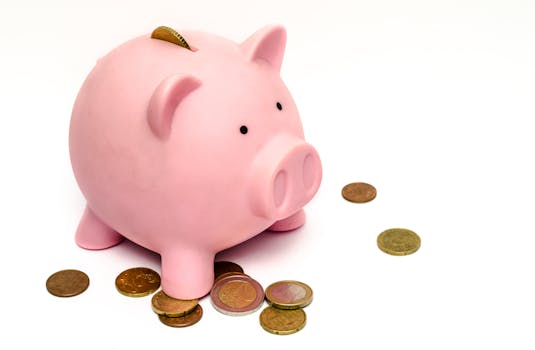
Ever wonder where your emergency savings should live? Choosing a smart home for your money is about more than convenience—it’s about safeguarding your future when the unexpected appears at your front door.
Your emergency fund acts as a cushion between you and life’s curveballs. Whether it’s a broken car, surprise medical bill, or sudden job loss, keeping your savings both secure and accessible can make all the difference in a pinch.
Ready to compare your best options for storing emergency funds? Dive in for clear, friendly explanations—so you can feel confident and at ease about your next financial move.
Keeping Your Emergency Fund Close but Not Too Close
When setting up your emergency fund, you want it nearby for quick access, but not so close that you’re tempted to dip in for everyday expenses. Striking this balance is key.
Imagine your emergency fund as an umbrella. You should know exactly where it is for rainy days, but you don’t leave it by the door where anyone—or even you—might grab it just for fun.
- Online savings accounts offer quick access with higher interest compared to brick-and-mortar banks.
- Money market accounts usually include check-writing and debit access for urgent needs, making withdrawals smoother.
- Credit union savings often pay slightly higher rates and prioritize member service, with easy transfer options.
- Certificates of Deposit (CDs) can be used if you’re sure you won’t need fast access, but tend to have penalties for early withdrawal.
- Some high-yield checking accounts allow for a small portion of your fund, letting you earn interest yet access cash instantly.
- Cash at home appeals for small emergencies, though it’s risky for your full fund due to theft and loss.
Weighing accessibility, safety, and temptation control helps ensure you don’t raid your fund for impulse shopping or non-emergencies, while keeping it ready for genuine needs.
Stories From the Savings Battlefield
Emily kept her emergency fund in a traditional savings account linked to her checking. When her apartment needed urgent repairs, she quickly transferred the exact amount she needed—no stress or paperwork required.
Jake, on the other hand, stored his fund in a CD to chase higher returns. When he lost his job, accessing those funds proved tricky; the early withdrawal penalty stung and added financial strain.
Susan used a money market account. She loved the slightly higher interest, while a debit card let her pay for a sudden vet visit instantly, with her fund untouched for months until the real need hit.
The right home for your emergency fund often depends on your personal situation and comfort with accessing those savings under pressure, so do some self-reflection before you decide.
Comparing Savings Vehicles: What’s Best for Your Emergency Fund?
Let’s break down your options, side by side. Each savings vehicle offers a unique mix of accessibility, security, and earning potential. Which fits your life the best?
- High-Yield Online Savings: These accounts provide high interest rates, are FDIC insured, and typically allow easy transfers. However, they often have no physical branches for walk-in help.
- Money Market Accounts: Similar to online savings, with limited check-writing capabilities, often requiring higher minimum balances but offering slightly more flexibility than regular savings accounts.
- Credit Union Savings: Credit unions usually offer competitive rates and personalized service, though their network might be smaller than national banks, affecting ATM access.
- Traditional Bank Savings: Widely accessible through physical branches, but usually pay lower interest rates—making your money work less hard for you.
- Certificates of Deposit: Lock in your rate for a set term, but accessing your cash early leads to penalties. Not ideal for true emergencies, but can work for partial funds.
- Cash at Home: Provides the ultimate in immediacy, but lacks insurance and is risky for large sums due to theft or disasters like fire.
- Brokerage Accounts: Some people use these for emergencies with money market funds, but there may be delays and market risk if funds are invested rather than held as cash equivalents.
Consider which option—or mix—matches your rhythm of life, so you have peace of mind if trouble knocks.
Safety, Access, and Yield: Balancing Priorities
Choosing an emergency fund location comes down to safety, ready access, and earning a fair return. Some accounts are as solid as a vault, while others focus more on accessibility and growth.
Picture a spectrum: on one end is maximum safety with minimal returns (like insured savings), while at the other are higher-yield accounts with possible barriers or risks attached, like CDs or non-insured brokerage cash.
| Account Type | FDIC/NCUA Insurance | Access Speed |
|---|---|---|
| Online Savings | Yes | 1-2 days transfer |
| Money Market | Yes | Immediate if check/debit, else 1-2 days |
| CD (Certificate of Deposit) | Yes | Penalty, funds locked |
As shown in the table, the right balance of accessibility and safety can help you meet emergencies efficiently—without sacrificing peace of mind or growth.
Real-Life Examples and Choices: What People Do
Think of your emergency fund like a fire extinguisher. It’s not glamorous, but when you need it, you want it to work—right then and there. Your neighbor’s solution might differ from yours.
Maggie split her fund between a high-yield savings for easy access and a smaller CD for longer-term stability. This let her earn a little more without risking total inaccessibility.
Some parents tuck a couple weeks’ expenses as cash in a home safe for genuine power outages or banking disruptions, while the rest sits in a liquid account for electronic transfers.
Others rely on credit unions they trust personally, knowing they can walk into a branch and speak with a friendly face. The best strategy fits your lifestyle and your unique “worst case” scenarios.
Features to Look for When Choosing Your Fund Location
- FDIC or NCUA insurance gives crucial peace of mind and guarantees your money against institutional failure.
- Low or no minimum balance requirements let you start small—no need for big upfront deposits.
- Easy transfer or withdrawal options, whether by online transfer, debit, or checks, allow you to use your fund quickly when needed.
- Competitive interest rates so your savings grow faster without taking on investing risk.
- Minimal fees that don’t eat away at your nest egg through monthly charges or transaction costs.
- Separation from your main spending account limits temptation and accidental overspending, ensuring your fund serves its protective purpose.
- Good online/mobile access so you can check your balance, transfer funds, and manage your account wherever you are.
The features above mean you’re less likely to face surprises or hassles when using your emergency fund. Prioritizing safety and convenience will ease stress in pressured moments.
Choosing an account with these perks makes your money more effective at protecting you from the unknown, turning an ordinary savings vehicle into a true financial safeguard.
Exploring Pros, Cons, and What-Ifs for Fund Storage
Storing all your emergency money in a high-yield account helps grow your fund, but could create small access delays. Meanwhile, cash at home solves speed issues but invites risks like theft or disaster loss.
Splitting your savings—some in a checking, some in a money market—can combine fast access with interest gains, though managing multiple accounts means increased oversight and occasional transfer times.
What if your main bank’s system goes down? With a fund spread across different types or locations, you’re less likely to get caught in a bind, making diversified storage a savvy play for many.
Preparing for Life’s Surprises: Your Emergency Fund Roadmap
Your emergency fund is a quiet hero, doing its job when things go wrong. Where you store it either amplifies or undermines its power to protect you.
Compare options, from insured online savings to local credit unions, based on your need for safety, accessibility, and temptation control. There isn’t a one-size-fits-all answer—the best solution is the one that fits your life.
Remember to check account features like fees, transfer speed, and insurance. These details, while easy to overlook, can determine how smooth or stressful your next setback feels.
By taking thoughtful steps now, you’re readying yourself for life’s financial storms—calmly, wisely, and with peace of mind. Your future self will thank you.
